
Build Muscle. Fuel Performance. Transform Now.
Discover science-backed nutrition strategies designed specifically for men pursuing serious strength training. Learn how proper fueling unlocks your athletic potential.
The information on this site is for educational purposes only and does not constitute medical advice. Always consult a qualified healthcare professional before making health decisions.
Why Nutrition Matters for Strength
Strength training without proper nutrition is like building a car without quality fuel. Your muscles need specific macronutrients to repair, grow, and perform at peak levels. Whether you're focused on hypertrophy, powerlifting, or functional strength, the right dietary approach can dramatically accelerate your progress.
Modern sports nutrition science has revealed that one-size-fits-all diets fail most lifters. Men's bodies respond differently to protein timing, carbohydrate loading, and micronutrient balance depending on training intensity, recovery needs, and individual metabolism. This is where personalized, evidence-based nutrition planning becomes essential.
At Proteinmalebalance, our editorial mission is to cut through supplement marketing noise and deliver authentic information on how to eat for real strength gains. From pre-workout fueling strategies to post-session recovery protocols, we cover everything you need to know.

Essential Nutrition Topics for Strength Athletes
Protein Strategy for Hypertrophy
Learn optimal protein intake targets, timing windows, and amino acid profiles that maximize muscle protein synthesis. Discover how to structure daily protein distribution across meals for continuous muscle growth stimulus.
Read the full guide →Pre & Post-Workout Fueling
Master the science of carbohydrate and electrolyte timing around training sessions. Understand how strategic nutrient ingestion enhances strength, power output, and recovery between workouts.
Explore meal timing →Micronutrients & Recovery
Discover critical vitamins and minerals that support testosterone production, joint health, nervous system function, and energy metabolism. Learn which deficiencies compromise strength gains.
Learn about micronutrients →Calorie Balance & Body Composition
Understand how to calculate maintenance calories, create strategic surpluses for lean muscle gain, and manage deficits for fat loss without sacrificing strength. Learn the real math behind body recomposition.
Explore calorie strategies →Hydration & Mineral Balance
Discover why simple water intake isn't enough for serious strength athletes. Learn about electrolyte balance, sodium timing, and fluid strategies that enhance performance and recovery.
Hydration essentials →Meal Planning & Implementation
Get practical frameworks for building sustainable meal plans that fit your lifestyle. Learn food selection, portion control, and strategies to maintain consistency with your nutrition goals.
View sample meal plans →Your 4-Week Nutrition Transformation Path
Assess Your Baseline
Evaluate current eating patterns, calculate maintenance calories, identify nutritional gaps, and establish realistic baseline metrics. This foundation guides all subsequent nutrition decisions.
Optimize Protein Intake
Implement protein targets based on bodyweight and goals. Learn quality sources, optimize distribution across meals, and master timing strategies that maximize muscle protein synthesis daily.
Strategic Carbohydrate Placement
Position carbs around training sessions for energy and recovery. Learn nutrient timing windows that enhance workout intensity, support glycogen replenishment, and facilitate adaptation.
Monitor & Adjust
Track performance metrics, strength progression, and body composition changes. Make evidence-based dietary adjustments based on real results. Establish sustainable habits for long-term gains.
Real Men. Real Gains.
The meal planning articles completely transformed how I approach training days. I implemented the carb-timing strategies and immediately noticed better energy during workouts and faster recovery. My strength gains accelerated once I stopped guessing about nutrition and followed the science-backed approach outlined here.
Budi Santoso, Surabaya
As someone who was constantly switching programs, the protein guide gave me clarity on what actually matters. No fluff, just practical information backed by research. I've gained 8 kg of lean muscle in three months using the strategies from these articles. Finally something that actually works.
Raka Wijaya, Jakarta
I've been lifting for years but nutrition was always my weakness. These articles break down complex science into actionable steps. The pre and post-workout fueling information alone improved my training capacity significantly. Wish I had access to this knowledge earlier.
Dian Pratama, Bandung
Common Questions About Strength Nutrition
How much protein do I actually need for muscle growth?
Research consistently shows that 0.8-1.0 grams of protein per pound of bodyweight daily supports optimal muscle protein synthesis during strength training phases. This range accounts for individual metabolic variation, training intensity, and recovery capacity. Quality matters alongside quantity—prioritize complete proteins containing all nine essential amino acids.
Should I eat more carbs on training days or rest days?
Strategic carbohydrate placement enhances both performance and recovery. On training days, position the majority of carbs around your workout window—before for energy, after for glycogen replenishment and insulin-driven nutrient delivery. Rest days require less carbohydrate since glycogen demands are lower, allowing you to maintain calorie targets with slightly elevated fats instead.
Can I build muscle while losing fat simultaneously?
Yes, body recomposition is achievable, particularly for lifters new to strength training or returning after a break. The key is maintaining adequate protein intake (ensuring amino acids for muscle preservation), prioritizing heavy compound lifts (signaling the body to retain muscle during a calorie deficit), and managing the deficit modestly (500 calories or less below maintenance). Progress requires patience—recomposition is slower than pure bulking.
What micronutrients matter most for strength athletes?
Magnesium, zinc, vitamin D, iron, and calcium directly support muscle function, testosterone production, bone density, and energy metabolism. Deficiencies in any of these impair strength progression. Rather than supplementing indiscriminately, ensure adequate intake through whole foods first—spinach, oysters, eggs, fatty fish, and dairy provide these nutrients naturally and include cofactors that enhance absorption.
How do I know if my nutrition plan is actually working?
Track three primary metrics: strength progression (increasing weights on main lifts week-to-week), body composition changes (mirror assessment, clothing fit, or periodic measurements), and recovery quality (sleep, energy levels, training readiness). Measure every 2-3 weeks rather than daily—natural fluctuation in water weight and food volume causes false negatives. Make adjustments only after 3-4 weeks of consistent data.
Should I use supplements or focus on whole foods first?
Whole foods should form the foundation of your nutrition strategy—they provide complete nutrient profiles, fiber, and micronutrients that isolated supplements cannot replicate. Supplements fill specific gaps after you've optimized whole food intake. Whey protein powder, creatine monohydrate, and vitamin D are evidence-backed choices for athletes, but only after nailing diet consistency with real food.
Stay Updated on Nutrition Science
Get latest articles on strength training nutrition delivered to your inbox. Our editorial team publishes evidence-based content weekly—no marketing noise, just real science for serious lifters.
We respect your inbox. Unsubscribe anytime. No spam, only content that matters.
Explore Our Content
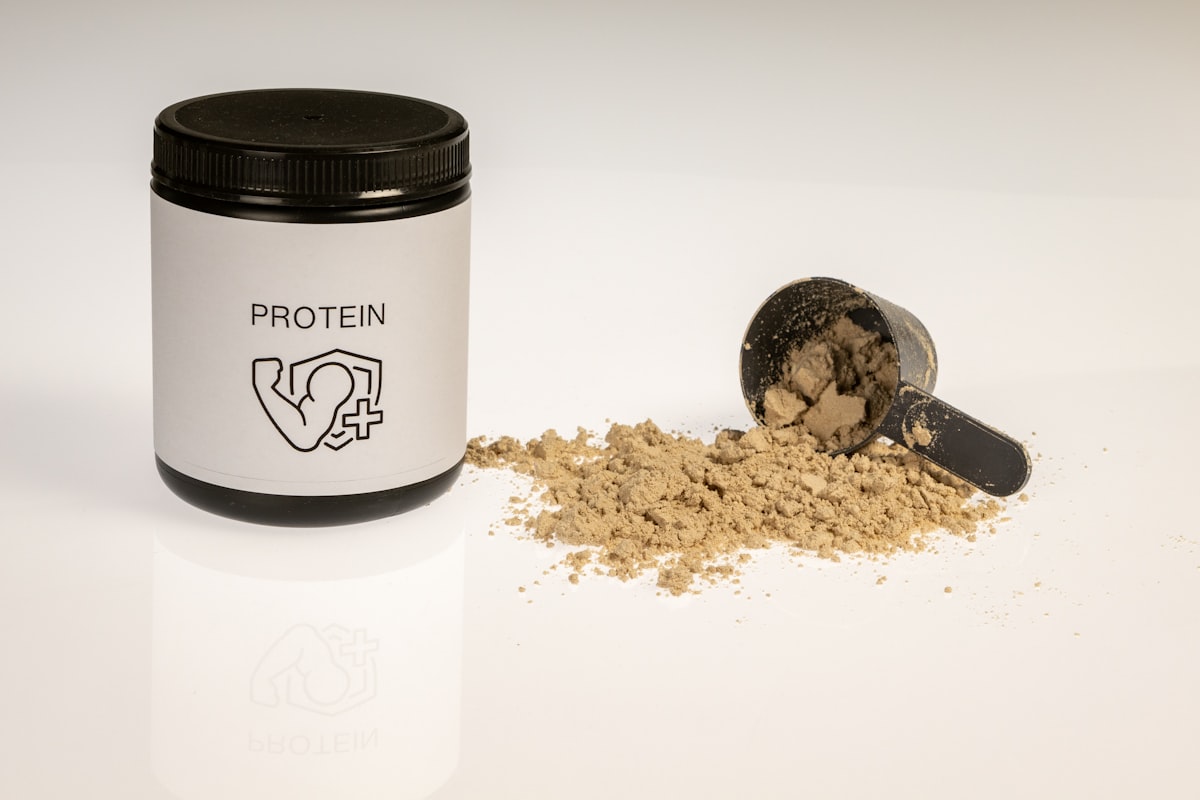
The Complete Protein Guide
Everything you need to know about protein intake, timing, quality sources, and optimization strategies for maximum muscle growth and strength gains.
Read the guide →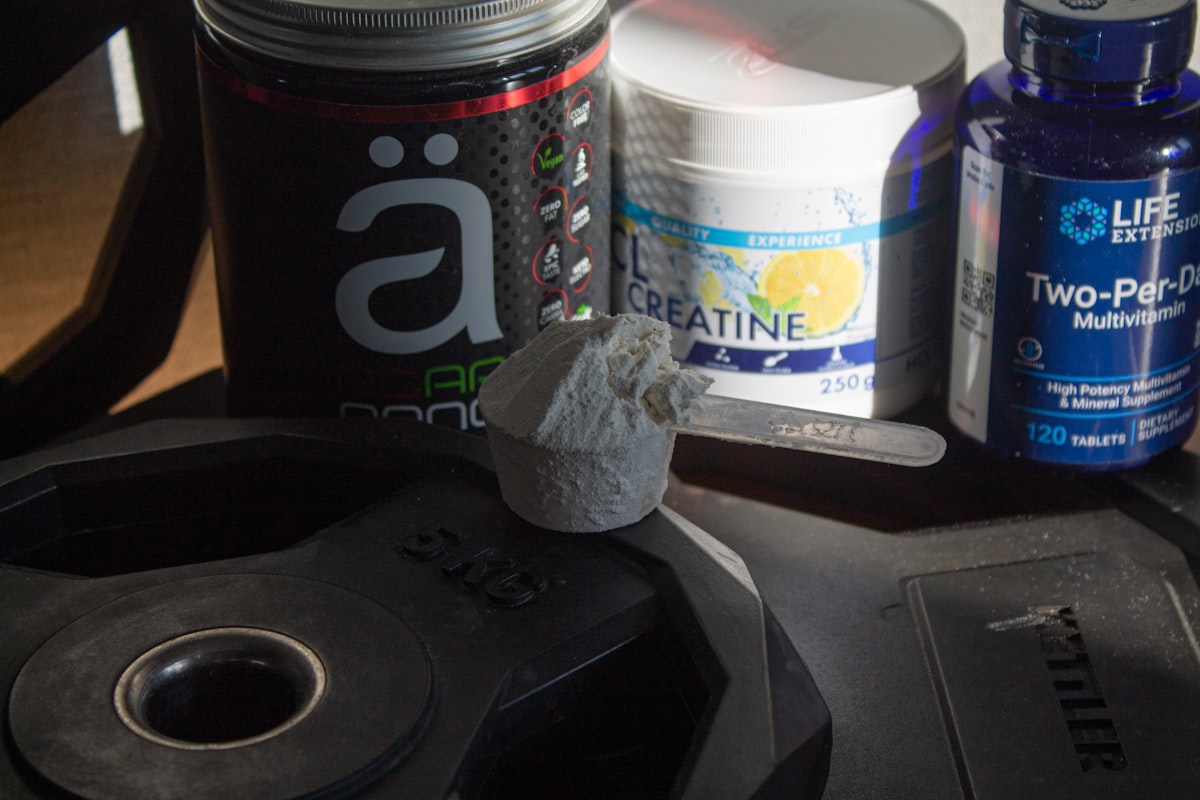
Sample Meal Plans
Practical meal planning frameworks, daily examples at different calorie targets, and strategies for consistent nutrition implementation without complexity.
Browse meal plans →
Editorial Information
Learn about our content standards, research methodology, how we evaluate information, and important disclaimers about this educational platform.
Ready to Transform Your Nutrition?
Start with our free resources. Explore comprehensive guides, download meal plans, and join hundreds of serious lifters optimizing their nutrition strategy.